
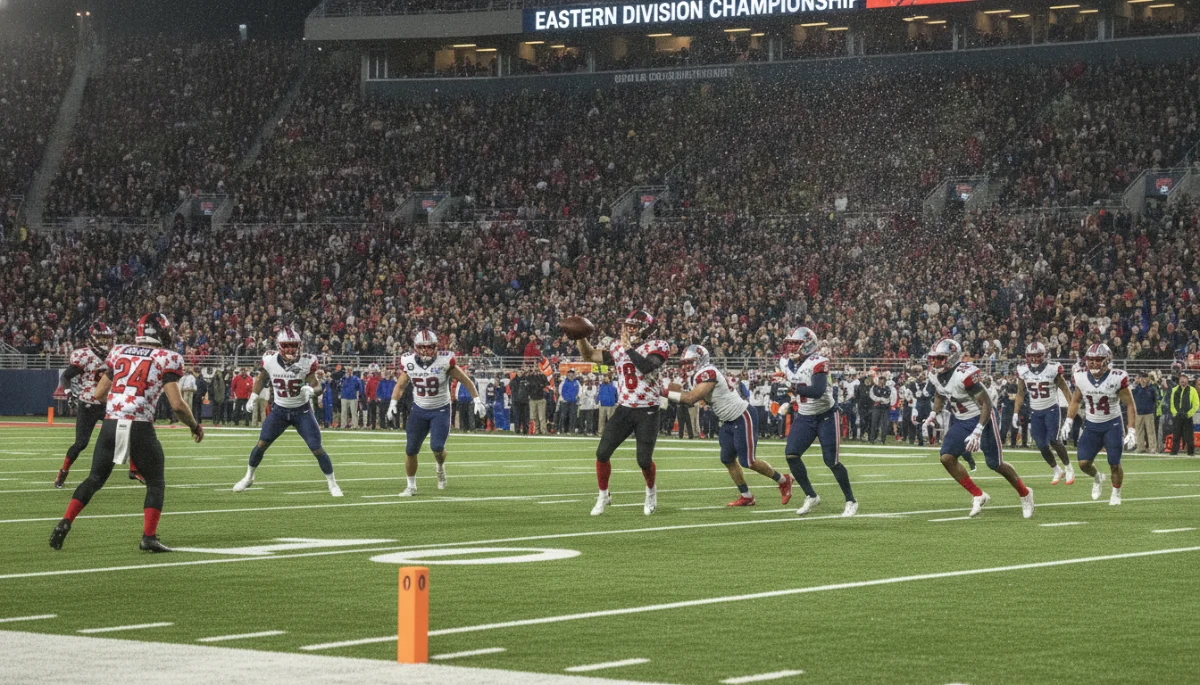
A lopsided Eastern showdown in Montreal
The Ottawa Redblacks head into Thursday night’s trip to Montreal facing a difficult assignment against one of the CFL’s most complete teams. Their Week 12 meeting with the Alouettes kicks off at 7:30 p.m. ET at Percival Molson Memorial Stadium and sets up a clash between an Eastern Division leader and a club still searching for traction.
Montreal has spent much of the season looking like the standard in the league, while Ottawa has spent its year trying to find a formula that produces consistent results. That contrast gives the matchup a clear storyline: one team is trying to protect a top spot, and the other is trying to stop a frustrating season from slipping further away.
Why Montreal has earned the favorite label
The Alouettes have built their reputation on production, balance, and confidence. Winning eight of their first nine games is the kind of start that signals more than a hot streak; it suggests a team that knows exactly what it wants to do on both sides of the ball.
Their latest statement came in a 48-30 win over the Edmonton Elks, a result that reinforced Montreal’s place at the top of the CFL power picture. Scoring at that level against a respected Western opponent showed that the offense can overwhelm defenses in more than one way.
Quarterback Davis Alexander has been the engine behind that rise. His timing, accuracy, and ability to keep plays alive have made Montreal difficult to defend, especially when drives stay on schedule and the ball comes out quickly.
One of the biggest reasons the passing game has looked so dangerous is the connection between Alexander and Tyson Philpot. The Canadian receiver entered Week 11 with more than 1,100 receiving yards and seven touchdowns, numbers that demand attention on every snap.
Montreal is not one-dimensional, either. A credible rushing threat makes the offense harder to predict and prevents opponents from stacking coverage against the pass. That balance is a major reason the Alouettes have looked so steady week after week.
Ottawa needs a breakthrough, not just a good effort
The Redblacks arrive with far more pressure on their shoulders. They were still chasing their first win when Week 11 began, and that kind of start turns every game into a search for answers rather than a simple race for standings position.
Ottawa has shown flashes of competitiveness, but those stretches have not lasted long enough to change outcomes. Slow starts, defensive lapses, and a running game that has struggled to create momentum have repeatedly left the Redblacks behind the chains.
Quarterback Jake Maier has been asked to carry a heavy load because the offense has relied far more on the passing game than on any steady ground attack. That reality can keep Ottawa moving, but it also makes the offense easier to diagnose when defenses force predictable situations.
Receiver Justin Hardy remains one of the most important pieces of the attack. If Ottawa wants to keep pace for any meaningful stretch, getting Hardy involved early would help sustain possessions and give Maier a reliable target against a disciplined Montreal secondary.
Just as important, the Redblacks have to protect the ball. Against a team that scores efficiently and can turn field position into points, giveaways can quickly turn a competitive game into a runaway.
The first meeting already offered a warning
Montreal’s 27-12 win in the earlier meeting between these teams this season gave Ottawa a clear lesson in how quickly things can go wrong. The Alouettes set the tone early, controlled the flow of the game, and prevented the Redblacks from settling into any rhythm.
That result matters because it showed more than the final score. It exposed the cost of a slow opening quarter, limited Ottawa’s ability to find balance, and forced the Redblacks to play from behind in a way that favored Montreal from start to finish.
If Ottawa wants a different script, the opening series will matter. The Redblacks need pressure on Alexander, tighter coverage on the perimeter, and enough discipline on early downs to force Montreal into uncomfortable passing situations.
On offense, the response has to be equally practical. Even a modest rushing threat would help reduce the burden on Maier and keep the Alouettes from teeing off on obvious passing downs.
What an upset would mean for both teams
On paper, the path points clearly toward Montreal. The Alouettes have the better record, the more explosive offense, and home-field advantage, which makes them the obvious pick in most pregame discussions.
Still, division games often carry their own logic. Ottawa enters with urgency, and urgency can sometimes sharpen a team’s focus in ways that statistics do not capture. Montreal also has the responsibility that comes with being the team expected to win.
For Ottawa, a victory would do more than interrupt a losing stretch. It could restore belief in a locker room that has spent too much time trying to recover from setbacks, and it might provide a base for better football over the final portion of the schedule.
For Montreal, the objective is simpler but no less important. The Alouettes need to stay disciplined, avoid giving the road team momentum, and keep control of the Eastern Division race. If they play to form, they should remain in command; if they do not, Ottawa has enough desperation to make things interesting.