
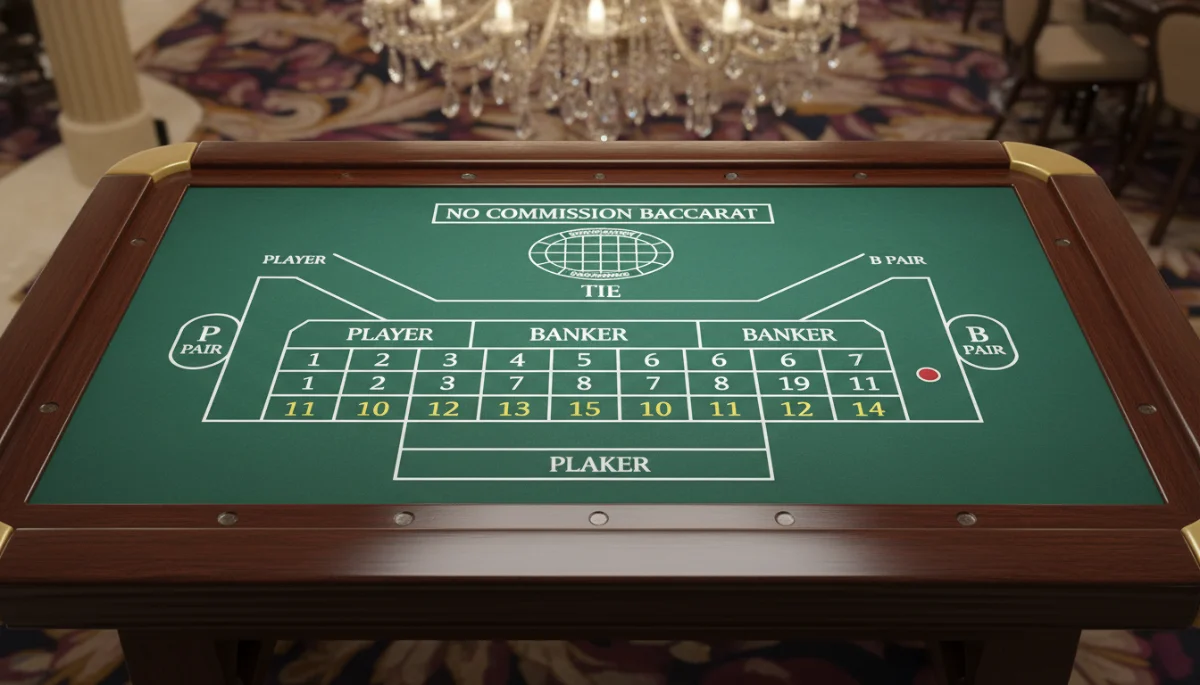
Baccarat players often chase patterns on scorecards, convinced they can predict the next hand, but mathematics shows each outcome stands alone with fixed odds unaffected by past results.
Understanding Baccarat’s Tracking Tools
In casinos across Canada and online platforms, baccarat stands out for its elaborate result-tracking systems. Players receive complimentary scorecards, while overhead screens and digital interfaces display histories in various styles. These include the bead plate for a simple grid of Banker, Player, and Tie results; the big road, which stacks streaks into columns; and derived charts like the big eye boy, small road, and cockroach pig that scan for repetitions or changes in the main display.
These visuals transform a sequence of independent hands into colourful grids that seem to reveal trends. Newcomers view them as powerful insights, yet they merely log what has occurred, offering no glimpse into future draws from the shoe.
Why Every Hand Resets the Odds
At the heart of baccarat lies its independence: in a typical six- or eight-deck shoe, prior hands barely alter the deck’s makeup for the next round. Probabilities remain steady at about 45.86% for Banker, 44.62% for Player, and 9.52% for Tie, no matter the streak length.
A string of Bankers does not tilt odds toward Player to “balance” things out. This misconception fuels the gambler’s fallacy, where folks bet against runs expecting correction. Reality dictates the shoe holds no memory—each hand draws fresh from what’s left, with edges too minor for practical prediction.
Human Instincts Fuel the Illusion
Our brains wire for pattern recognition, a trait honed by evolution to spot dangers or opportunities in nature. Missing a real threat proved deadly, while imagining one rarely did harm. This tilts us to see order in chaos.
Randomness breeds clusters and runs more than we expect. Behavioural studies confirm people underestimate streaks in true chance events. In baccarat, five straight Bankers feels portentous, but it’s routine probability at work.
Casinos cater to this with displays, boosting engagement. Players linger, wager more, and savour the “analysis,” blind to the tools’ retrospective nature.
Flawed Strategies Relying on Patterns
Many systems hinge on spotting trends, dooming them from the start. Here’s a breakdown of common ones:
- Martingale: Double bets after losses, assuming wins “must” follow. Ignores house edge grinding down bankrolls over time.
- Paroli: Let winnings ride during streaks, banking on continuation. Still faces the same unchanging odds.
- Trend Followers: Bet with the run, like riding Bankers. Chases variance, not value.
- Reversal Bets: Wager against streaks, prey to the fallacy of overdue shifts.
None shift the core maths. Short wins happen through luck, but extended play enforces the house advantage relentlessly.
True Paths to Smarter Play
Ditching pattern myths frees focus on what counts. Key facts include:
- Best Bet: Banker at 1.06% house edge post-5% commission—lowest in the game.
- Player Option: 1.24% edge, solid runner-up.
- Avoid Tie: 14.36% edge despite 8:1 payout; treat as fun, not strategy.
- Side Bets: Often worse than Tie—steer clear unless pure thrill-seeking.
Bankroll discipline reigns supreme. Set limits upfront:
- Define session funds and walk-away points.
- Resist chasing losses with bigger stakes.
- View baccarat as leisure with a price tag, not profit machine.
Casino Design Plays into Beliefs
Tracking aids aren’t accidents. Casinos install them knowing they hook players into longer sessions and higher action. The grids dazzle, fostering a sense of control amid uncertainty. Yet accuracy in recording past hands doesn’t imply foresight.
Online live dealers mimic this perfectly, drawing in remote punters worldwide. The allure persists because it entertains—even if it misleads.
Embracing Baccarat Without the Myths
Baccarat captivates with its smooth rhythm, minimal decisions, and sophisticated vibe. High-limit rooms buzz with quiet intensity, online tables offer anytime access. Patterns add nothing essential to this appeal.
Players shedding the prediction quest often relax more, savouring the flow minus decoding pressure. Cards fall randomly; shoes deplete without bias. Grasping this fosters honest play—rooted in odds, limits, and enjoyment rather than phantom trends.
Next time scorecards tempt, remember: they’re history books, not crystal balls. Bet on probabilities, manage funds wisely, and let the game unfold.