
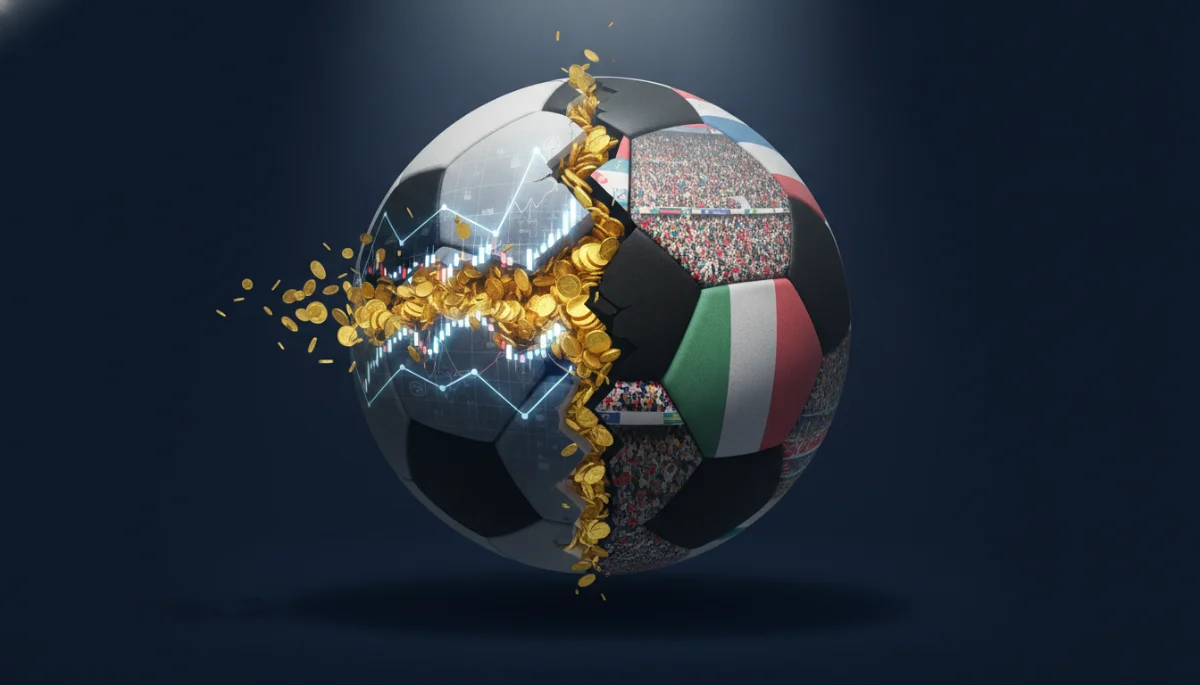
A sudden break inside world football
World football is facing a rare open split, and the trigger is money. FIFA president Gianni Infantino has moved to open the door to private investment in World Cup-related assets, and the reaction from other governing bodies has been swift and severe.
The plan reportedly involves a minority stake sale tied to FIFA events, with the investment fund Thrive Eternal, led by Joshua Kushner, described as central to the talks. Infantino has asked FIFA’s 211 member federations to line up behind the proposal by September 19.
That timeline did not calm anyone down. It accelerated the backlash.
Europe leads the refusal
UEFA responded with the sharpest language. Europe’s governing body, which includes 55 member associations, voted unanimously to boycott FIFA competitions, including the World Cup, if the private investment plan remains in place.
Its message was blunt. The proposal, UEFA said, was developed in secret, and the World Cup is not a commodity to be sold.
That stance matters because UEFA controls the most commercially powerful slice of the sport. Its clubs, leagues, and national teams sit at the center of global football’s revenue engine.
Other regions are lining up behind the criticism
CONCACAF also rejected the plan, citing a lack of transparency and a rushed approval process. The confederation, which represents North and Central America and the Caribbean, stopped short of threatening a boycott, but it made clear that the current process is unacceptable.
The Asian Football Confederation went further than a simple objection. It backed UEFA and CONCACAF’s concerns and warned that the issue should worry anyone focused on the future of the game. The AFC also called for deeper governance reform at FIFA.
Mexico has not taken a final position yet, saying it needs more time to study the proposal. Africa, South America, and Oceania have not voted, and no timetable has been announced for their decisions.
FIFA stands its ground
FIFA is not retreating. In a statement, the organization blamed inaccurate media coverage for interfering with its consultation process and said it would continue moving forward.
The pressure increased again when Carlos Cordeiro, one of Infantino’s senior advisers, resigned over the plan. His departure suggests the dispute is now reaching into FIFA’s own leadership circle.
The timing is especially awkward for Infantino. He had been on course for a fourth term that would keep him in office through 2031, with candidate declarations due by November 18 before a March vote in Rabat. After this week, that path looks less secure.
Why the standoff matters now
This is not just an internal paperwork fight. UEFA alone represents the most influential football economies in the sport, and its willingness to threaten a boycott changes the stakes immediately.
The first hard deadline is September 19, when FIFA wants support for the investment plan. The second is the FIFA Under-20 Women’s World Cup in Poland next month, which could become the first real test of whether this dispute stays political or spills onto the field.
For now, the message from FIFA’s critics is simple: the game’s biggest institutions do not want private investors shaping the sport’s future without a much clearer process.