Why the Break Between Halves Matters
Halftime is supposed to be a reset for the teams, but for fans it can feel like a hard stop. The action pauses, the noise drops, and attention often drifts to commercials or filler commentary.
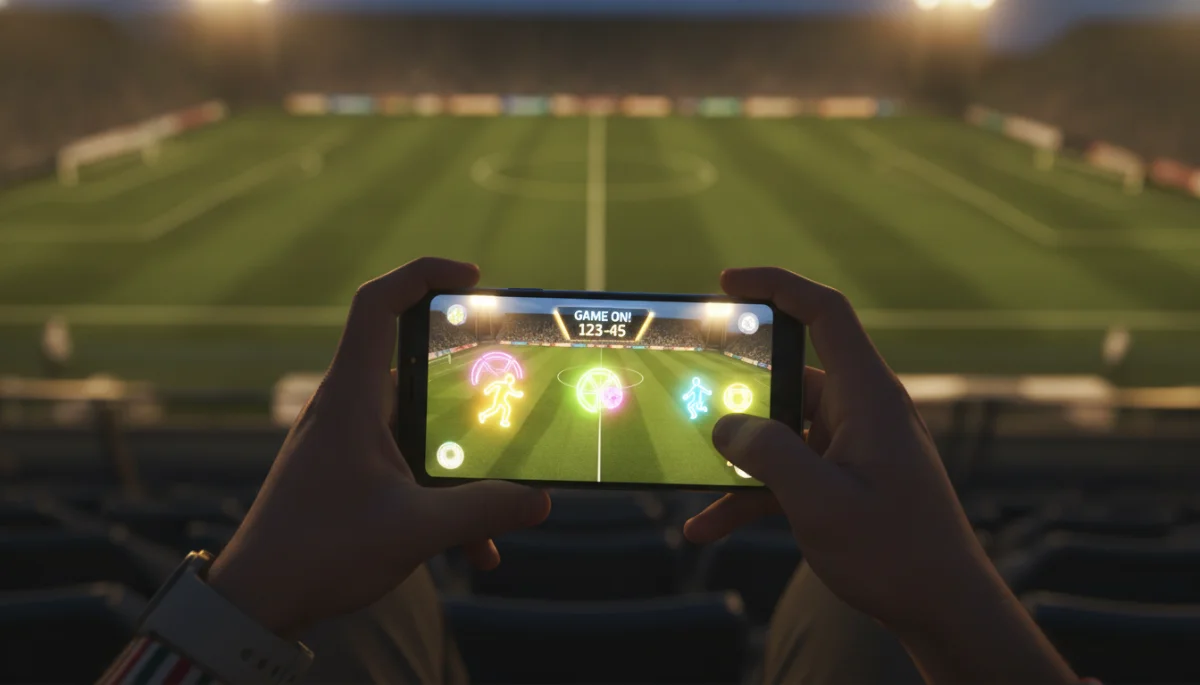
Quick mobile games fill that gap by giving spectators something immediate to do without pulling them out of the live experience. They work because they match the short, energetic window of time that halftime offers.
What Makes a Short Game Work
The best halftime games are built for speed. They load fast, explain themselves quickly, and reward players within moments instead of minutes.
- Fast start: Fans should be able to launch a game and begin playing almost immediately.
- Simple controls: Taps, swipes, and single-screen play keep the experience easy to follow.
- Repeat play: A strong halftime game invites another round before the second half begins.
That is why hyper-casual puzzles, arcade-style sports challenges, and lightweight chance-based games fit the moment so well. They offer quick entertainment without demanding a long commitment.
How Better Connectivity Changed the Experience
Modern mobile networks and improved stadium Wi-Fi have made short gaming sessions much more practical in crowded venues. Fans are no longer fighting the same connection problems that once made live digital play frustrating.
Developers have also designed many mobile titles to use less data and respond with very little delay. As a result, a fan can play a few rounds during the break and still be ready when the next half begins.
Why Fans Keep Coming Back
The appeal is not only technical. Sports naturally create emotional highs, and halftime can feel like a sudden dip after that intensity. A quick game adds a new source of momentum during the quiet stretch.
There is also a sense of control. Fans cannot influence the score on the field, but they can make choices in a mobile game and see an immediate result. That small feeling of agency helps keep engagement alive.
How Teams and Broadcasters Use It
Sports organizations have started treating halftime as a digital engagement opportunity instead of dead time. Some platforms now connect gameplay directly to the event through predictions, trivia, or rewards.
- Prediction play: Fans answer quick questions about the match or guess what may happen next.
- Reward moments: Mini-games can unlock offers for food, merchandise, or future tickets.
- Fantasy check-ins: Short updates let fantasy players stay involved without missing the game.
If you want a deeper look at the writing principles behind clear, concise American English, the guidance from this style guide emphasizes direct purpose and short, readable paragraphs.
What Comes Next for Halftime Entertainment
As mobile technology keeps improving, the line between watching and playing will likely become even thinner. Augmented reality, stadium-based interactive features, and more personalized game formats could make halftime feel even more active.
For now, quick mobile games have earned their place in the sports experience. They help fans stay entertained, stay connected, and stay ready for the restart.